In your 20s, you feel unstoppable. In your 60s, not so much. As the decades pass, however, exercise becomes increasingly crucial to maintaining health and independence.
A consistent fitness regimen can benefit your body and mind as you age, says strength and conditioning coach Sean Armstead. It can boost muscle retention and growth, mental acuity, sleep quality, and potentially longevity, he adds.
So what might exercise look like during each decade oflife? Explore some of the motivations, risks, and rewards of keeping active at any age.
20s
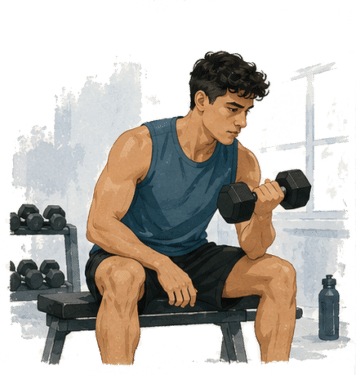
College sophomore Manny F., 20, goes to the gym six days a week. He plays soccer two days a week, attends school, works part time, and has an active social life.
Manny’s passion is strength training. His biggest challenge? Eating right. “When I’m out with friends, I try to eat healthy. But it’s tough,” he says.
High-intensity interval training and weightliftingin your 20s pay off when you’re 70 and 80, says David Schneider, DO, a physical medicine specialist at the Illinois Bone and Joint Institute. “It’s an argument in favorof longevity.”
30s
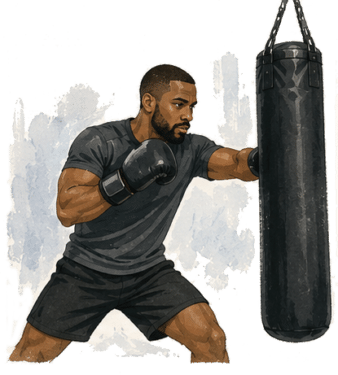
Darius C., 35, grew up playing football and took up martial arts a decade ago. Not long ago, he had a minor rotator cuff tear in his left shoulder, which required two months of physical therapy. He feels much better now, but his shoulder still needs strengthening.
The business consultant says he adjusts his workouts, placing a bigger emphasis on injury prevention. His focus is athletic training, which includes strength, agility, flexibility, mobility, endurance, and conditioning.
The key for 30-year-olds is energy level, Schneider says. This decade is also a good time to build a fitness mindset for the coming decades.
40s
Among Elizabeth G.’s greatest fears is growing old plagued by health problems. A latecomer to exercise, she now commits to her workouts.
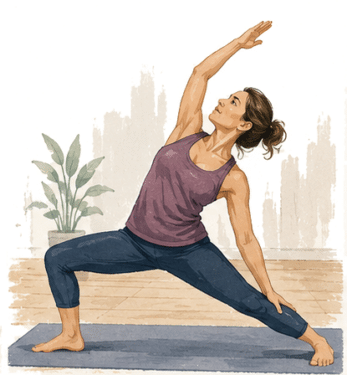
The 46-year-old speech-language pathologist does hot yoga, Pilates, and other aerobic exercise to battle aches and pains. She routinely has knee problems, discomfort in her lower back, and soreness from pushing too far.
At this age, “fitness has to be efficient, based on the success you’ve had being active in your 20s and 30s,” Armstead says. By this decade, ideally, exercise should be on its way to becoming a lifetime endeavor.
50s
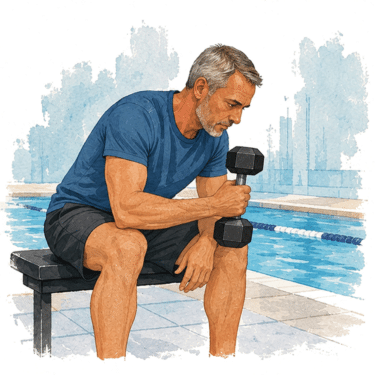
Robert C.’s knee replacement surgery last year left the 52-year-old wondering whether he’d be able to resume his strenuous workouts. The business consultant used to exercise regularly, but with age, his knee problems have claimed a bigger part of his life.
Today, he pushes himself to lift weights five times a week. He’s also an avid swimmer.
“In your 50s, your big concern is stress fractures,” Schneider says. A bone density test can provide a baseline for your bone strength. Other biological factors are at play too, including genetics, and calcium and B12 depletion.
60s
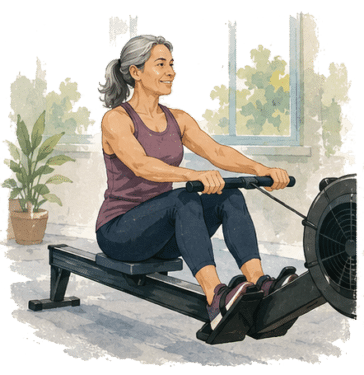
April G. says she lives by four pillars of health: diet, movement, sleep, and fun. The 60-year-old school principal does strength training and movement exercises, including weights and rowing routines, three times a week.
When she’s not training, eating right remains a priority.
“If I don’t eat right, I don’t feel right, and that automatically affects my workout,” April says.
By our 60s, metabolism slows, and many people experience declines in muscle strength, bone density, and aerobic capacity, Schneider says.
Regular exercise can help maintain bone strength and slow bone loss, reducing the risk of osteoporosis.
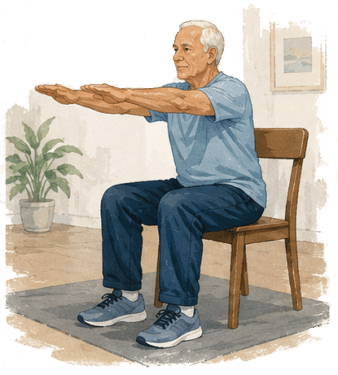
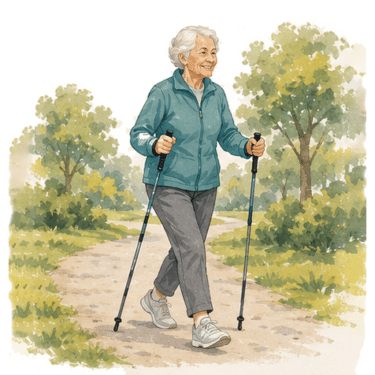
Exercise therapists can train people in safe exercises fortheir age and fitness level, including weight-bearing exercises, chair yoga, and walking.
Woodward says the focus for older adults should be on maintaining function and independence. Exercise should also be carefully modified to account for preexisting medical conditions.
80s
In addition to its physical benefits, studies show that regular exercise may reduce the risk of dementia, Woodward says. So for that reason alone — keep active.
But a fall in your 80s can be life-changing, too. Regular physical activity can help maintain balance and prevent falls. If you’re concerned about overdoing it or how to get started safely, a physical therapist can assess your strength, range of motion, and balance.
Originally published in the Fall 2026/Winter 2027 print issue.
By Howard Kim
As a longtime journalist and lifelong learner, Howard Kim has covered a wide range of topics and authored two crime novels. He’s been happily married for many years and couldn’t live without his son and grandson.