Fact checked by Ros Lederman
The truth about life is that we are all going to die. So as Star Trek’s beloved Spock says, “Live long, and prosper.”
To me, to prosper means creating a comfortably affordable lifestyle; nourishing a perspective of wonder, joy, and well-being; and knowing that my community is both micro (personal relationships) and macro (nature and strangers) and that I am unconditionally loved just by being. Prosperity requires that we recognize our thriving and agree to be content. By noticing and celebrating our little choices and feats, our thriving begins now.
Recently, I heard Ezekiel Emanuel, MD, PhD, speak at the Chicago Humanities Festival about longevity. Emanuel is an oncologist, bioethicist, and author of Eat Your Ice Cream: Six Simple Rules for a Long and Healthy Life. Emanuel’s advice for longevity is not earth-shattering. This is the book’s value. He assures us that we have the tools and abilities to do what he advises, including, as the title says, eating your ice cream — meaning that now-and-then indulgences won’t kill you.
Sometimes our obsession with ways to prolong life — new drugs, procedures, supplements, and devices — scares me. I get the drive for innovation and all its sparkle, possibilities, and revenue generation. What is lifespan, though, without quality of life?
As the British rabbi Jonathan Sacks wrote, “We defeat death, not by living forever but by living by values that live forever.” Emanuel shares that perspective. “Wellness is the way to love and nourish our family and friends, perform good deeds of loving kindness, enrich our communities, and leave the world a better place,” he writes. “Longevity and wellness aren’t everything, and yet a long and healthy life creates more space to pursue all we love and believe to be important. Those are the things that matter.”
I, too, believe space matters — in our lives and in our physical joints. Joints free of constriction and compression give us the mobility and integrative strength to meet the demands of dynamic living. Our joints house sensory receptors. Damage the joints, and you compromise the signals your brain receives from those sensors, such as those involved in proprioception, or the sense of knowing where your body is in space. Proprioception contributes to your brain’s internal map of the body and affects balance, spatial awareness, and your ability to perform actions such as climbing stairs without being conscious of the task’s myriad musculoskeletal requirements.
We also need space in our lives. Time to think, to be, and to absorb the pleasure and beauty that surround us is essential. That time allows creativity, serendipity, imagination, and the unknown to emerge. This means time free of screens, perfection, obsessions, and fixations — all restrictors and compressors.
If we don’t take pleasure in our choices, if we are drawn to what narrows rather than expands us, we create stress that can affect our physical and mental well-being.
And stress is not a recipe for health or longevity.
The number of years lived seems a ridiculous measurement. The quality and contributions of our life are far more important. And our older adults are proving just how vital they are to society. A recent AARP report credited Americans 50 and older with:
- Contributing $12.5 trillion annually to the U.S. economy
- Providing the equivalent of $1.2 trillion in unpaid caregiving and volunteering
- Making charitable contributions that accounted for 70% of all such donations
- Comprising one-third of the workforce in fields experiencing shortages, such as healthcare, manufacturing, finance, and education
- Outpacing the growth in the labor force of younger workers
Longevity does matter, not for the sake of years but for the sake of what we can create and contribute with them.
Live long, and prosper.
Originally published in the Fall 2026/Winter 2027 print issue.
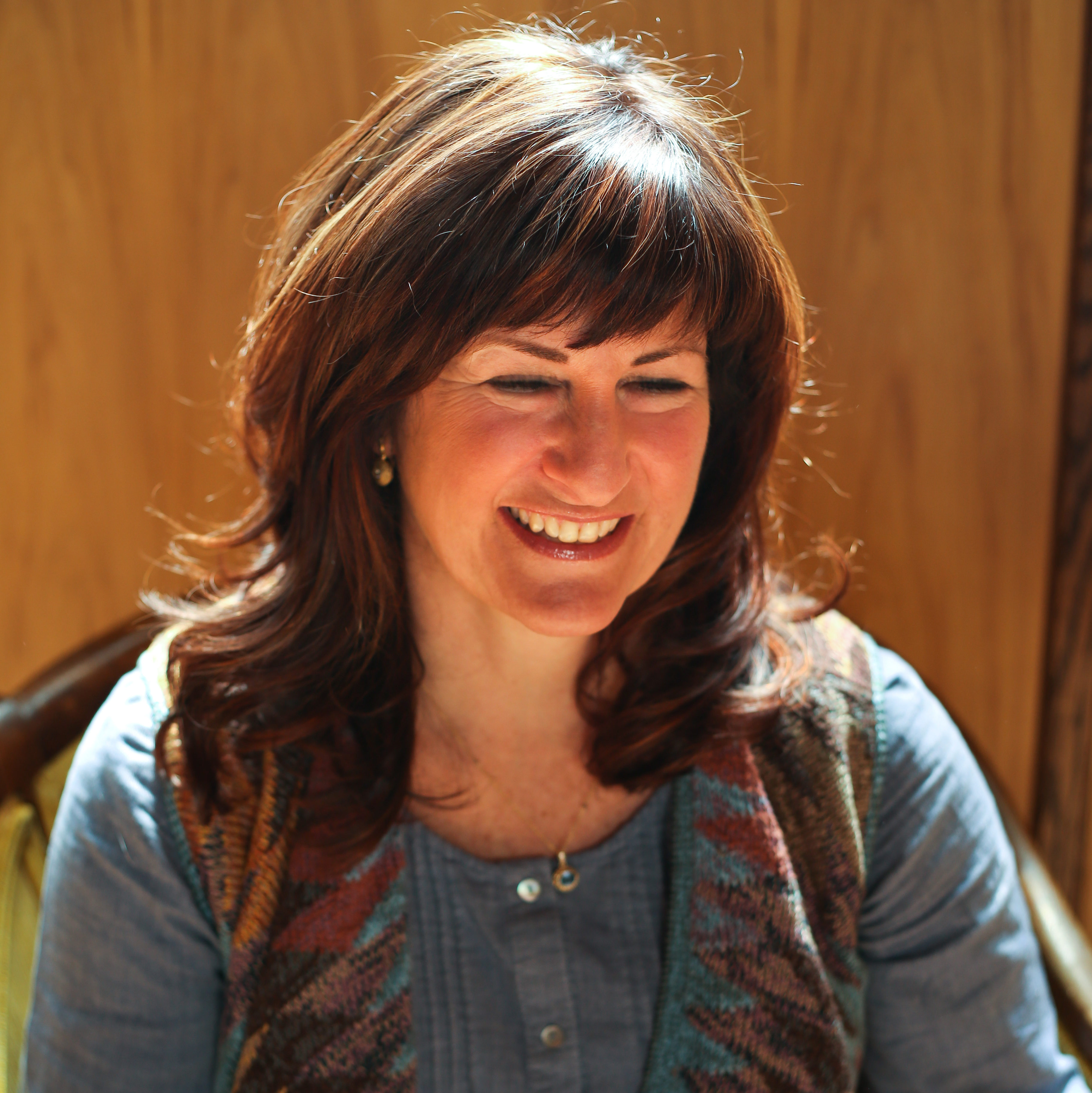
Kathleen Aharoni is a movement and life coach, forest bathing guide, and author of the award-winning book I breathe my own breath! She has served on the faculties of Northwestern University and Columbia College.